
High Objects
Tall objects: A flight safety risk for aircraft
Aircraft, such as aircraft and helicopters, take off and land at low altitude and follow established flight procedures. Unmarked tall objects, such as cranes, masts, tall buildings and wind turbines, are classified as flight obstacles and may pose a direct danger to aircraft if their location is not checked and analysed before the object is erected.
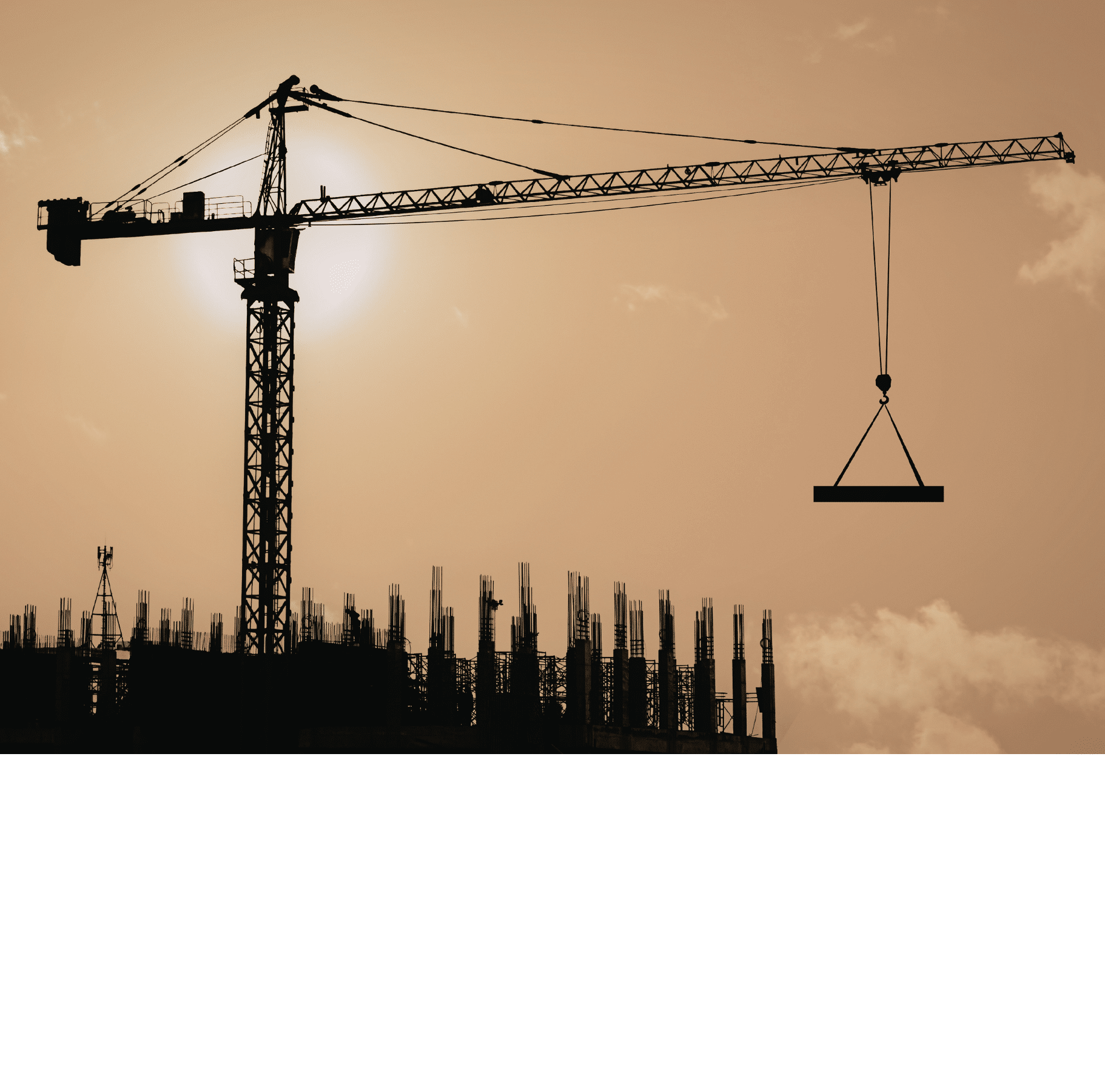
Even temporary objects such as construction cranes are classified as flight obstacles and pose just as much flight safety risk as permanent buildings if their location is not controlled and, if necessary, also analysed before they are erected.
Before tall objects are built:
- Referral
Contacting airports and LFV at an early stage reduces the risk of futile planning, delays or rejections. Before a building permit has been granted or temporary sites have been placed, a referral regarding the site must be sent to nearby airports (80 km radius).
This is done to check if the object in the intended location affects the aircraft’s take-off and landing, obstacle limiting surfaces, flight procedures and technical equipment (CNS equipment).
- Flight obstacle analysis (location assessment)
If the object you are planning will be over 20 metres high, or if the construction crane will temporarily be over 20 metres high, a flight obstacle analysis must be carried out. This analysis can be done, for example, by LFV. A flight obstacle analysis investigates whether the object is suitable to place in the specified location without jeopardizing flight safety or flight operations in and around airports. The analyses are a tool that airports can use for their assessment in decisions and possible action planning.
Tall objects far from airports can also affect air traffic, which should always be taken into account. Objects under 20 m can also affect flight safety. That being said, it is always best to contact nearby airports when planning work that involves high obstacles that could permanently or temporarily affect aviation.
Keep in mind that
- If the object is planned to be built near an airport, construction can be denied, as even objects of 10-15m can be too high for the object to be approved.
- If the object is located within or near the airport’s obstacle surfaces, construction may be denied, or measures required for the object to be approved The airport’s obstacle surfaces must be kept clear of tall objects in order for aircraft to take off and land safely.
- The object may interfere with CNS equipment (glare, obscure navigation signals, radio and electromagnetic interference). For example, objects made of metal, masts, antennas, technical installations, photovoltaic systems or electrical infrastructure and can then not be approved for construction.
- Obstacle marking
If the object reaches 45 meters or more , it must be marked according to the Swedish Transport Agency’s regulations:
- The marking must work from the moment the object reaches its height, even during the construction phase.
- The owner of the site is responsible for the operation, supervision and fault reporting of obstacle markings throughout the site’s existence.
- NOTE! Even if objects between 20m-45m high do not normally need to be marked, these must still undergo referral, flight obstacle analysis and be reported as flight obstacles to the Armed Forces. Because they still risk being able to penetrate the airport’s obstacle-free area around an airport or pose a flight safety risk.
- Read more in TSFS 2020:88 The Swedish Transport Agency’s regulations and general advice on marking objects that may pose a danger to aviation and on flight obstacle notification.
- Obstacle notification
It is mandatory to submit a flight obstacle notification to the Swedish Armed Forces, for objects whose height reaches 45m within built-up areas and 20m outside built-up areas:
- No later than 4 weeks before the erection of tall objects or the start of construction.
- Also applies to temporary objects, such as masts and construction cranes or the object to be moved or demolished.
- Read more on Flight obstacle notification – The Swedish Armed Forces
NOTE! If a temporary object (20 m or higher) needs to be erected at short notice, in a location less than 15 km from the airport, you must contact the airport’s air traffic control before the object is erected.
Air Traffic Control
- E-mail: tornet@kidairport.com
- Phone: +46 (0)44 238858 (air traffic control)
Checklist
✔ Consultation rounds to nearby airports and LFV, will take place early in the process, prior to building permit approval. Also applies before the erection of temporarily tall objects.
✔Flight obstacle analysis is ordered when necessary, for example for objects over 20 m, objects that are built near airports or objects that risk interfering with communication and navigation systems or radar.
✔ Report to the Armed Forces at least 4 weeks in advance if objects are 20 m high or more outside built-up areas or 45 m high or more inside built-up areas.
✔ Set up the correct obstacle lights and markings in connection with objects reaching 45m or more.
✔ Follow up on operations and report faults immediately throughout the site’s existence.
Important to remember
- Distances such as 300 meters are small safety margins in a flight context.
- Even temporary objects such as cranes can stop or alter flight procedures.
- Aviation safety risks increase sharply in bad weather and darkness.
- Interference with navigation equipment can be misleading to pilots.
- Failure to mark objects can endanger life.